
 Tips
Tips
SMS/Text Reminders: These provide direct, immediate notifications to users' mobile devices. Highly accessible across various phone types, they are ideal for urgent prompts and ensure rapid engagement without reliance on internet connectivity for delivery.
Email Reminders: Offering extensive capacity for detailed information, email allows for rich content, direct links to payment portals, and supporting documents. This method is well-suited for structured communication and comprehensive explanations of upcoming financial commitments.
In-App Notifications: Integrated seamlessly within a service's existing application environment, these reminders are highly contextual. They deliver prompts directly to active users, leveraging the application interface for smooth navigation to payment processes and interactive engagement.
Reach and Accessibility: Consider how widely the chosen method connects with your user base, accounting for varying device capabilities and internet access availability among different demographics.
Information Richness: Assess the depth and breadth of contextual details that can be effectively conveyed through each reminder channel, including links or attachments for clarity.
User Engagement: Evaluate the method's ability to prompt timely user action and significantly reduce instances of delayed payments or service interruptions.
Operational Efficiency: Analyze the resources and ongoing maintenance required to implement and sustain each automated reminder system within your operational framework.
SMS/Text Reminders excel in reach and accessibility. Their ability to deliver messages to virtually any mobile phone, regardless of internet access, makes them highly effective for reaching a broad and diverse user base. This ensures that even users in areas with inconsistent connectivity receive critical payment prompts without delay, significantly reducing communication barriers.
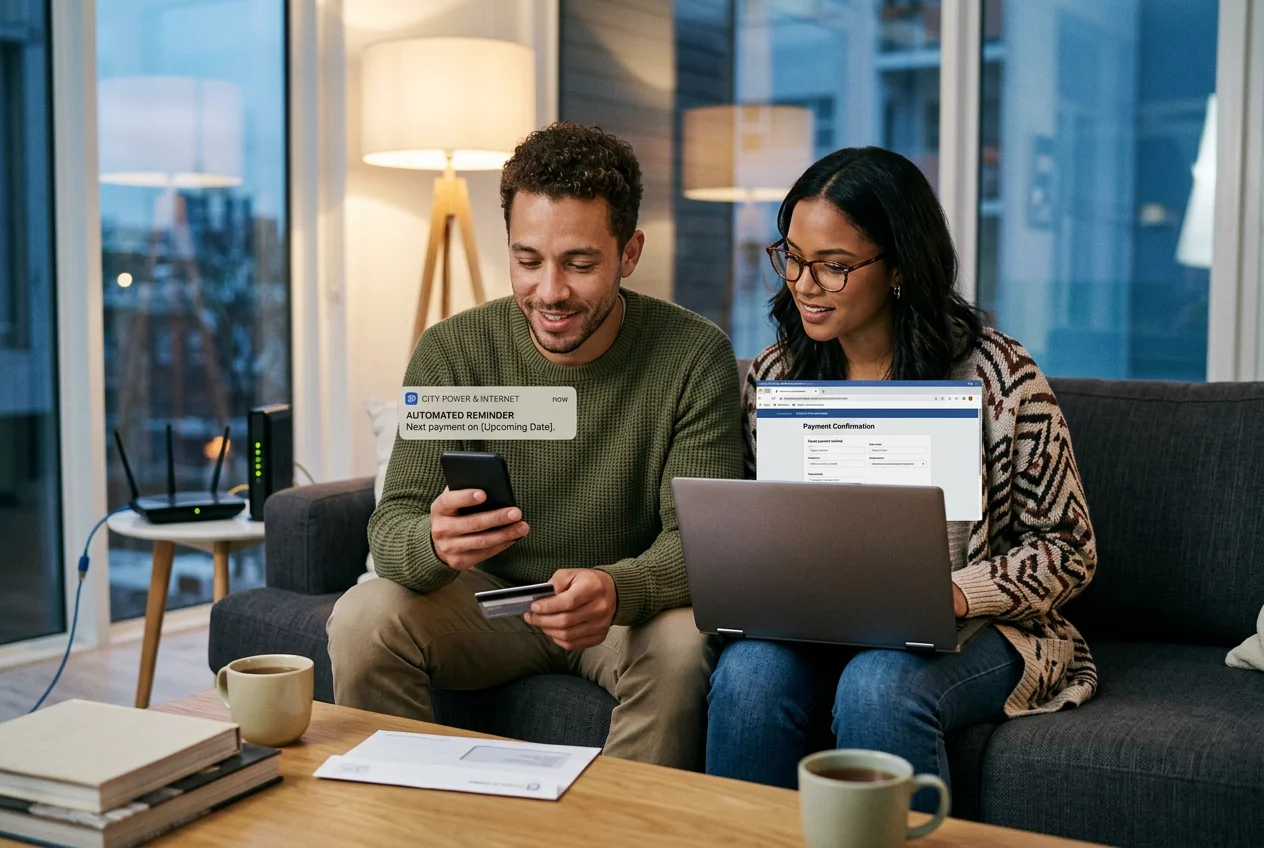
Regarding information richness, SMS/Text Reminders are inherently limited. Messages are typically concise, focusing on essential details like amount due and payment deadline. However, this brevity often contributes to high user engagement, as users can quickly grasp the core message and take immediate action. The directness often leads to prompt responses, preventing service interruptions.
Email Reminders, conversely, offer superior information richness. They allow for detailed explanations, inclusion of invoices, links to secure payment portals, and personalized messages. This comprehensive approach helps users understand their obligations fully. However, their reach and accessibility depend on users regularly checking their email and having internet access, which can introduce delays compared to SMS.
For user engagement, email effectiveness can vary. While well-crafted emails can be highly persuasive, they may be overlooked in crowded inboxes. Zinulooas finds that while email provides depth, it often requires a more proactive user to open and act. Yet, for complex payment scenarios, the ability to convey extensive information makes it a valuable tool.
In-App Notifications provide exceptional user engagement due to their contextual nature. They appear directly within the application where the service is consumed, making payment prompts highly relevant and actionable. This method also allows for significant information richness, seamlessly integrating payment options and account details directly into the user experience.
However, In-App Notifications have a narrower reach and accessibility, limited to users actively engaging with the application. While highly effective for dedicated users, they may miss those who rarely open the app. From an operational efficiency standpoint, integrating these notifications leverages existing infrastructure but requires ongoing application development and maintenance.
For scenarios demanding maximum reach and immediate attention, particularly for overdue payments, SMS/Text Reminders are highly effective. Their directness ensures critical information reaches users swiftly, minimizing the window for service disruption. Zinulooas advises using them for urgent, concise prompts that require quick user acknowledgment and action.
When detailed communication is paramount, such as explaining new billing cycles, offering flexible payment plans, or providing access to comprehensive statements, Email Reminders are the optimal choice. They allow for a richer narrative and supplementary resources, empowering users with full context to manage their accounts proactively and avoid future issues.
For services with a dedicated user base actively engaging with a mobile or web application, In-App Notifications provide a seamless and highly integrated reminder experience. They can guide users directly to payment interfaces within the service, enhancing convenience and significantly improving the likelihood of timely transactions without external distractions.
Ultimately, a hybrid approach often yields the most robust results. Combining SMS for urgency, email for detail, and in-app notifications for contextual engagement allows Zinulooas to cover diverse user preferences and communication needs. This multi-channel strategy ensures comprehensive coverage and sustained user satisfaction.



✅ Your comment has been successfully sent. Thank you!